The Indian café landscape is booming, led by pioneers like Blue Tokai, Subko, Araku Coffee, and emerging players like Ekata Coffee. The modern Indian coffee customer is knowledgeable and demands quality. A great café today must master not just the beans, but a complex chain of scientific and artistic processes. While the roast and water are crucial, the linchpin holding everything together is the trained barista—the manager of the entire coffee program.
1. The Strategy: Coffee Menu Engineering
Menu engineering is the science of maximizing profitability and customer satisfaction through intelligent menu design. In the café space, this is vital for survival.
- Profitability vs. Popularity: Effective menu design helps the café identify ‘Stars’ (high profit, high popularity) and ‘Plowhorses’ (high popularity, low profit). This informs everything from pricing and placement on the menu to promotional strategies.
- Guiding the Customer: A well-engineered menu simplifies the decision-making process, subtly encouraging customers to try the signature or more profitable specialty coffee drinks. It ensures that the café’s core identity—whether it’s single-origin pour-overs or unique blends—is communicated effectively.
2. The Science: The Precision of Water and Roast
Beyond the menu, two unseen elements define the taste profile of every cup: the water and the roast.
- The Power of pH-Controlled Water: Coffee is 98% water, making water quality its most critical, yet often overlooked, ingredient. Specialty coffee standards, like those of the SCA (Specialty Coffee Association), recommend water with a near-neutral pH (around 7) and a balanced mineral content (TDS).
- Extraction: Minerals like magnesium and calcium are essential for dissolving and carrying the desirable flavour compounds from the grounds. Too few minerals lead to under-extraction and a flat taste; too many can cause over-extraction and bitterness.
- Consistency: Controlling the pH and mineral content of the water is the only way to ensure the exquisite, nuanced flavour of a bean from a roaster like Subko tastes the same every single day.
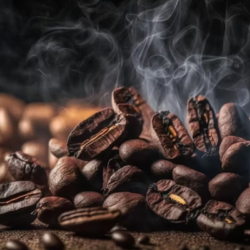
- The Right Roast: The roast profile is the roaster’s signature, dictating the bean’s potential flavour. Whether it’s a light roast designed to highlight the acidity and fruity notes of an Araku Coffee bean, or a darker roast for bold, chocolatey espresso, the roast must be perfectly aligned with the intended brewing method and the customer’s palate. The barista is the only person who can unlock this potential.
3. The Art: The Indispensable Role of the Trained Barista
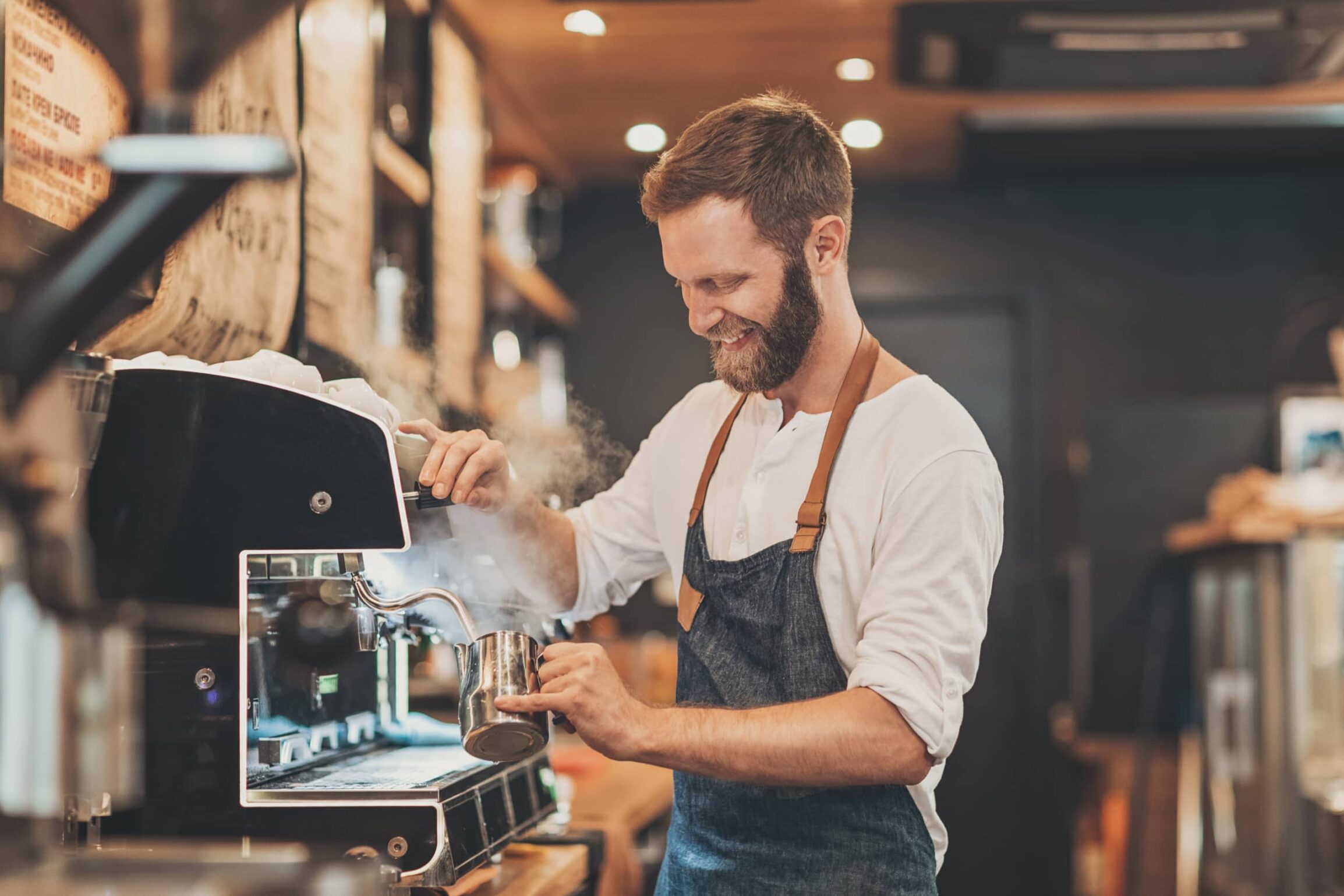
While menu engineering sets the stage and science provides the raw materials, the barista is the performer, the coffee scientist, and the quality control manager rolled into one. Having a trained barista managing your coffee program is not a luxury; it is the fundamental investment that protects all others.
- Brew Recipe Calibration: The barista must constantly “dial in” the espresso machine. This involves adjusting the grind size, dose, and yield based on the day’s humidity and the specific roast batch. A slight change in any of these variables can turn a perfect shot of Blue Tokai into a sour or bitter mess.
- Equipment Management: A trained barista is an expert in the use and maintenance of high-end equipment. They ensure that espresso machines, grinders, and water filtration systems are clean and calibrated, protecting the café’s expensive assets and preventing flavour contamination.
- Consistency and Quality Control: The true mark of a great café is consistency. The barista ensures that the first latte of the day and the last are indistinguishable. They are the final human filter, tasting every batch and knowing when to adjust the settings before a bad cup ever reaches the customer.
- Customer Experience: Ultimately, the barista is the face of the brand. Their ability to educate the customer on the origin of the coffee (perhaps a unique lot from Ekata Coffee), recommend a roast based on preference, and deliver impeccable service elevates the transaction from a mere purchase to a specialty coffee experience, driving loyalty and word-of-mouth.
In the competitive Indian coffee market, the initial investment in beans, equipment, and a great location is wasted if the person operating the machine lacks the expertise. The trained barista is the guardian of flavour, ensuring that the scientific perfection of the roast and water is delivered consistently in every cup.