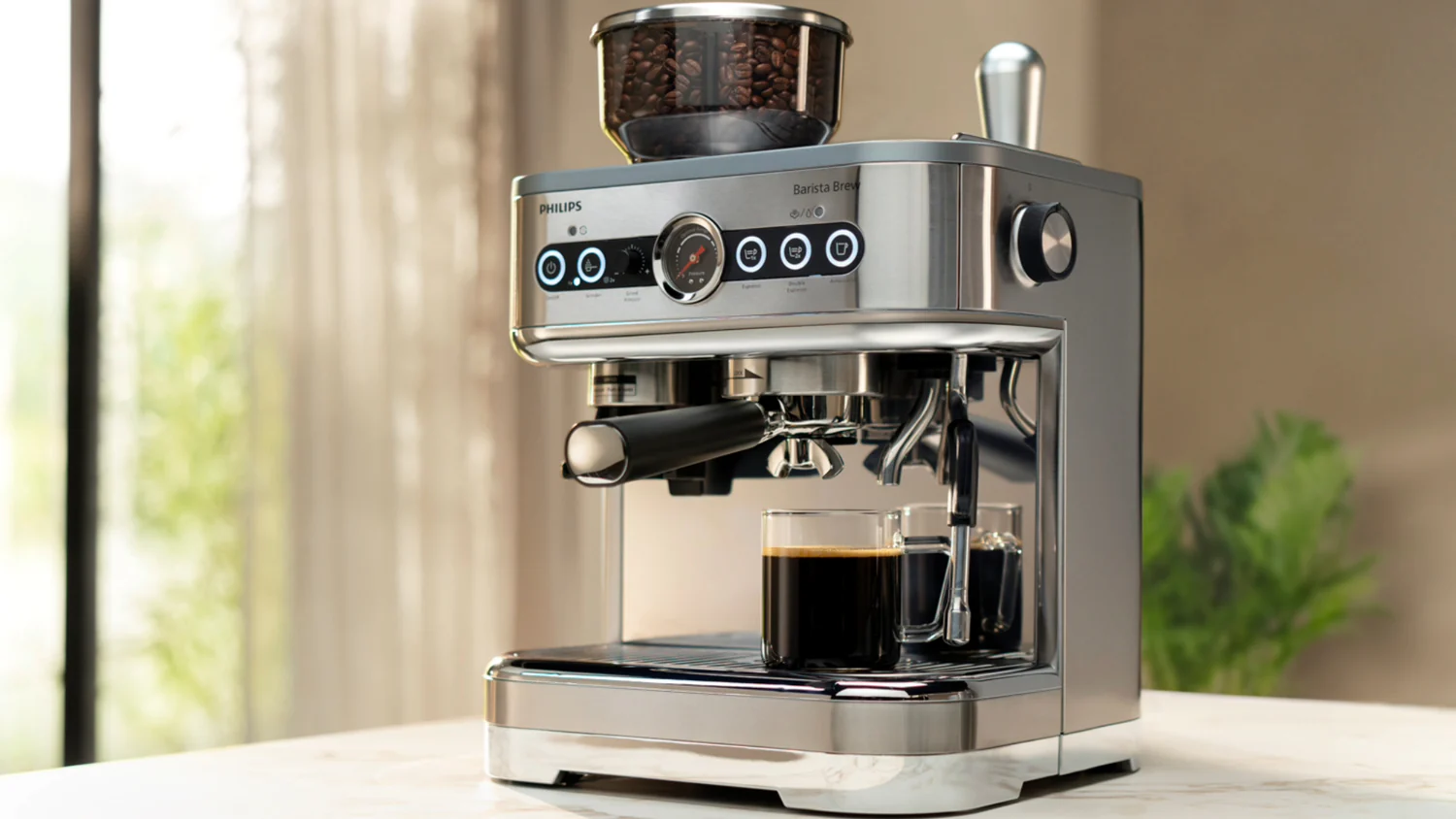
In the world of coffee, the quality of the bean often gets the spotlight—and rightly so. However, for any business or passionate individual looking to serve consistently exceptional coffee, the bean is just one part of the equation. The often-overlooked hero is the entire coffee machine ecosystem: the machine itself, its configuration, installation, user training, placement, water management, and serviceability.
Ignoring these elements is like buying a Formula 1 car and running it on bicycle wheels. Here is a deep dive into why mastering the technical and logistical side of your coffee machine is critical for quality, efficiency, and your bottom line.
1. Choosing the Right Coffee Machine: Matching Tech to Traffic
The “best” coffee machine isn’t a single model; it’s the machine that perfectly aligns with your volume, menu, and staff expertise.
- Volume & Speed: A high-traffic café needs a robust, multi-group commercial espresso machine or a high-capacity bean-to-cup system that can handle peak demand without compromising temperature stability or shot quality. A small office, conversely, might thrive on a user-friendly, low-maintenance automatic brewer.
- Menu & Quality Control: If you specialize in high-end espresso, you need a machine with advanced features like PID temperature control and pressure profiling for precise extraction. If your focus is high-volume batch brew, you need a reliable, fast drip system.
- Staff Expertise: Fully automatic or super-automatic machines are ideal for environments with high staff turnover or minimal training time, ensuring consistent results with the press of a button. Traditional espresso machines require skilled baristas but offer maximum control for crafting bespoke beverages.
2. Configuration, Installation, and Training: The Foundation of Consistency
A world-class machine is useless if it’s set up incorrectly. This is where professional execution pays dividends.
- Configuration: This involves setting the machine’s parameters—dose, yield, temperature, and pressure—to perfectly match your chosen coffee blend and grinder. Incorrect configuration leads to inconsistent, poor-tasting coffee.
- Professional Installation: Commercial machines are complex. Proper installation includes securing stable power supply (often 380V for large units), correct drainage, and, most importantly, integrating the water filtration system. A poor setup is a recipe for premature breakdowns and voids warranties.
- Thorough Training: Investing in comprehensive staff training ensures employees not only know how to operate the machine for different drinks but, crucially, how to dial in the espresso (adjusting the grind size to achieve the perfect extraction) and perform daily maintenance. An untrained staff member is the single greatest threat to coffee quality and equipment longevity.
3. Placement and Workflow: Optimising the Coffee Journey
The physical location of your equipment impacts efficiency and staff well-being.
- Ergonomics: The machine, grinder, knock box, and accessories must be arranged logically to create a smooth, intuitive workflow. In a busy setting, minimizing movement for the barista reduces stress and increases speed of service, directly affecting customer wait times.
- Safety and Ventilation: Professional machines generate significant heat. Proper placement requires allowing adequate air circulation around the unit to prevent overheating and ensure compliance with safety regulations.
- Aesthetics (for Customer-Facing Setups): In a cafe, the machine often serves as the focal point. Its placement should facilitate customer interaction while keeping the workspace functional and clean.
4. The Unsung Hero: Water Management
Over 98% of your coffee is water. If the water quality is poor, even the best beans and machine will produce a subpar cup.
- Scale Prevention: Hard water (high mineral content) is the number one enemy of coffee equipment. Minerals like calcium build up as limescale inside boilers and pipes, leading to clogs, reduced heating efficiency, inconsistent temperature, and eventual machine failure. A robust water filtration system is non-negotiable for protecting your investment and preserving your warranty.
- Taste and Extraction: Water not only needs to be filtered to remove chlorine and undesirable tastes, but its mineral content (Total Dissolved Solids) needs to be optimized to facilitate the best flavour extraction from the coffee grounds. Correct water is the silent partner in flavour consistency.
5. Serviceability: Planning for the Inevitable
No machine runs forever without attention. Proactive serviceability minimizes downtime and maximizes lifespan.
- Preventive Maintenance: Scheduled, professional servicing (e.g., every 6 or 12 months) is far cheaper than reactive emergency repairs. This involves replacing wear-and-tear items like group head seals and shower screens, descaling the boiler, and inspecting critical components. This ensures peak performance and avoids costly, unexpected breakdowns.
- Easy Access for Cleaning: Machines that are easy to clean daily—with accessible drip trays, backflushing capabilities, and simple portafilter removal—encourage staff compliance. A clean machine is an efficient machine that delivers better-tasting coffee.
- Technical Support: Choosing a machine supplier that offers reliable, local technical support and readily available spare parts is crucial. In a commercial environment, every hour of downtime is lost revenue.
Conclusion: The Holistic Approach
The perfect cup of coffee is the result of a holistic approach. It’s not just about the bean, nor is it just about a fancy piece of equipment. It is the synergy between the:
Right Machine → Correct Configuration → Flawless Installation → Skilled Training → Optimized Placement → Pristine Water → Proactive Service.
Master all these elements, and you move beyond simply serving coffee—you create a reliable, profitable, and exceptional coffee experience every single time. Invest in the full ecosystem, and your coffee operation will thrive.